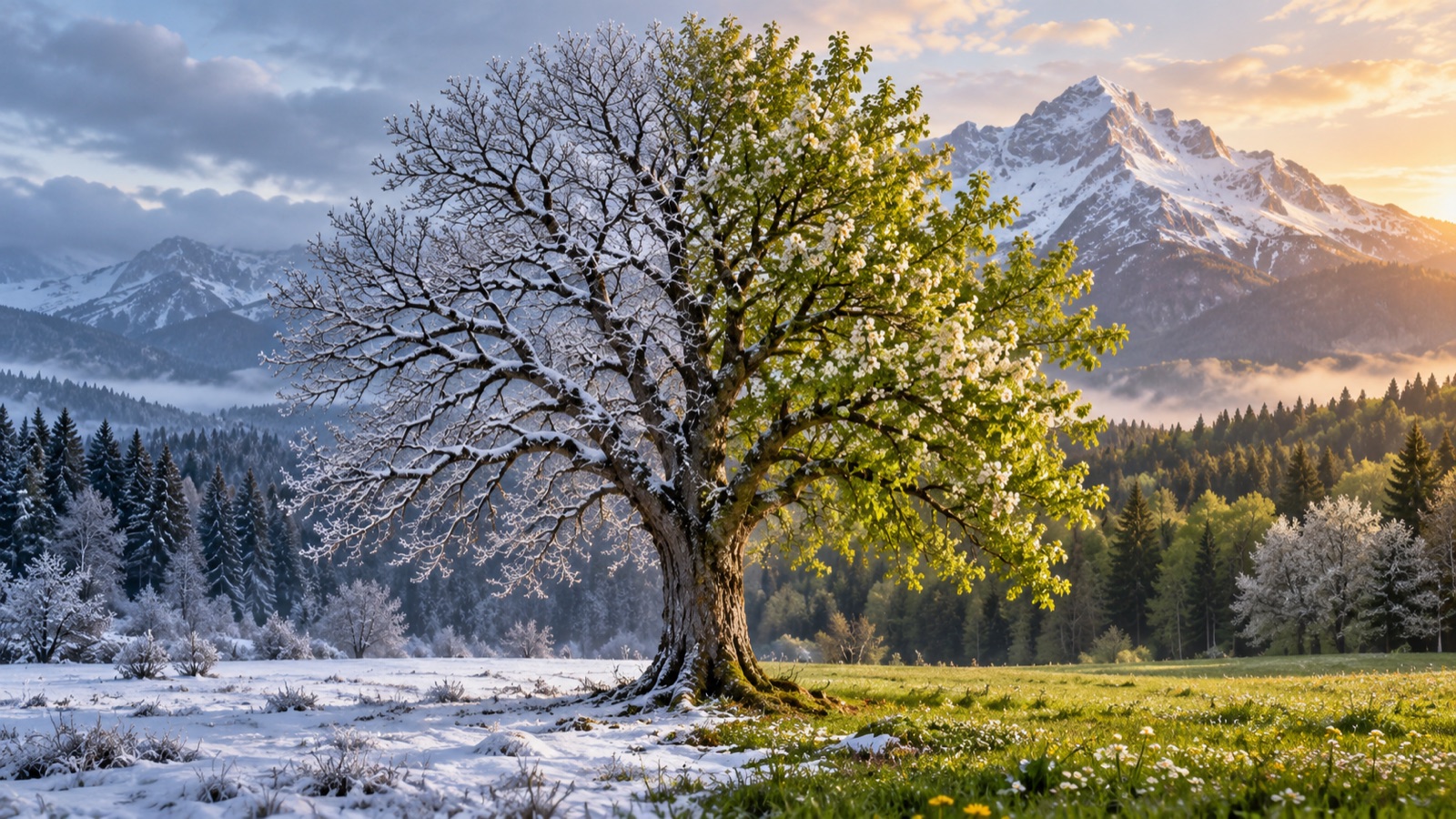
I have spent a large part of my life waiting for people to leave.
So many people I have admired and loved have been there for a season. Some seasons were long enough that I forgot they could end. Others ended before I was ready. With every departure, I became a little more hesitant to begin again.
I understand that relationships have seasons. Understanding has never made winter any easier.
Eventually, I found shelter in staying cold.
For more than a decade, I have been timid about starting relationships or allowing existing ones to deepen. I wanted connection, but I felt certain I knew the conclusion. Sooner or later, they would leave. Through distance, changing circumstances, or death, there would be a goodbye.
Why get used to the sunlight when I would have to learn to live without it again?
I once told my wife, “I was designed to be abandoned.”
That is a painful thing to believe about yourself. It is also an honest account of how I have felt. Even at work, I have watched projects I started become things other people took forward with their names attached. Different circumstances, but a familiar ache: I had helped something begin, and somehow found myself outside what it became.
Over time, expecting the ending became a way of living through the middle.
It made me hard to hold.
I could be present, contribute, care deeply, and still keep something of myself beyond reach. I wanted people close, but I feared what their closeness would eventually cost. Winter was familiar. I knew how to live there.
But the years kept passing.
That is what I am beginning to reckon with. While I was protecting myself from what might happen, there were things happening that I was missing. Relationships that could have grown. Conversations I could have started. Love I might have received more fully if I had allowed myself to believe it was worth receiving for however long it stayed.
Now my pastor of twenty-five years is transitioning to a new role, and a new man is stepping into his place.
He is still here. There may be opportunities for us to become closer. Yet this particular season is ending, and I feel the weight of everything I thought I would become while he was leading me.
I wish I had let him see more of that man.
I wish I had brought more of myself into those years instead of saving parts of me for a day when I would be ready. I cannot recover every opportunity. Some moments belonged to that season, and that season is passing.
My regret is real. I do not want to rush past it simply because I can find something hopeful to say.
But I am beginning to question how much of the ending I actually know.
I have often wondered why I can seem to recognize where something is going while I am still in it. Sometimes that awareness has helped me prepare and find peace. Sometimes I wonder whether I have become so familiar with loss that I expect it to tell the whole story.
God knows more than I do.
In Jeremiah 29, God spoke to people living in exile. His promise of peace and a future came while they were still far from home. In that same chapter, He told them to build houses, plant gardens, and raise families. They were to live while they waited. Their difficult circumstances did not contain everything God intended for them. Jeremiah 29
That reaches me where I am.
I have spent years preparing for things to end. God told people in a painful, unsettled season to plant something.
There was a future beyond what they could presently see.
Paul writes that we now see “through a glass, darkly,” and that we know only in part. I need to remember that when my expectations feel like certainty. I may recognize that a season will end. I cannot see everything God may grow within it, or everything He may bring beyond it. 1 Corinthians 13:12
Romans 8:28 gives me reason to trust that God works all things together for good for those who love Him and are called according to His purpose. I do not have to call abandonment good. I do not have to pretend that lost time does not hurt. I can believe His work reaches further than my understanding of what happened. Romans 8
And that brings me back to the gifts He has entrusted to me.
Peter tells us to use our gifts to serve one another, with the strength God supplies, so that He is glorified. Those gifts have somewhere to go. There are people to encourage, people to serve, things to create and share. There are relationships in which those gifts can take root. 1 Peter 4:8–11
I have used my gifts through the winter. But I wonder what I have held back by keeping myself so guarded. What might grow if I let someone know me more fully? What might God do through a relationship I have been afraid to begin?
Being gifted for His glory means bringing those questions to Him, too. It means offering Him the part of me that has learned to stay cold and asking for the courage to become open again.
I still feel the regret. Spring will not return the years I spent inside.
But every winter yields to spring. The warmth of the sun reaches ground that seemed incapable of growing anything, and life begins to emerge.
Perhaps this transition is an invitation to step outside.
I can honor the man who has led me for twenty-five years. I can make room to know the man who is stepping into this role. I can say the things I have left unsaid and bring the person I am today, with all that is still unfinished.
I do not know how long the next season will last.
I want to be present for it.
My pastor is transitioning. Our church is transitioning. And perhaps, for His glory, I can begin transitioning too.
There is still room to grow.
So let me feel the sunlight,
though I fear the coming cold.
There’s still a hand worth reaching for.
Even if it’s hard to hold.